
2025 – The Year of Payment Stablecoins (PSC)
Payment stablecoins are transitioning from peer-to-peer transactions to mainstream B2B and B2C payment applications, driving significant changes in traditional payment systems—an area traditionally dominated by banks. According to Deloitte, 2025 is poised to be the year of payment stablecoins. 1. What is a Stablecoin? A stablecoin, as the name suggests, refers to a “stable” currency, […]
Vietnam: New Opportunities and Challenges for API Solution Providers as New Regulations on Implementing Open API in the Banking Sector Come into Effect
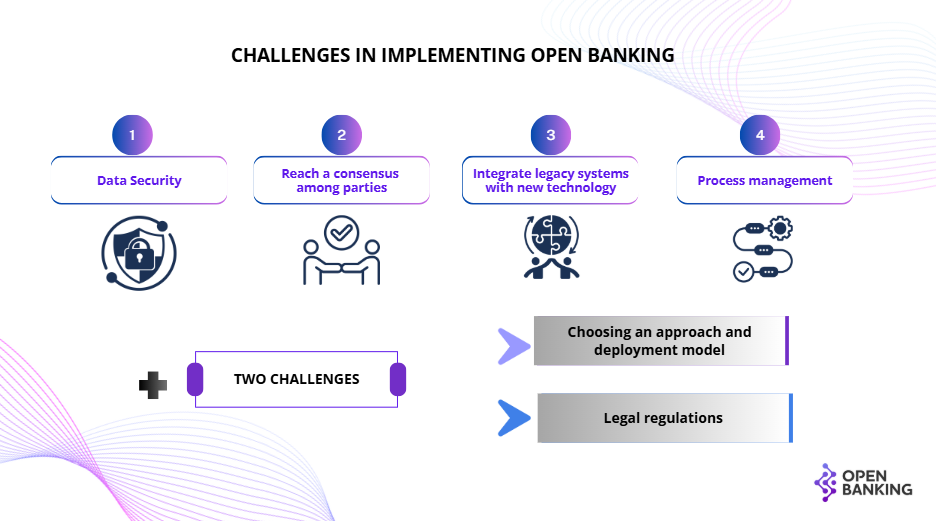
On March 1, 2025, two important Circulars from the State Bank of Vietnam (Circular 64/2024/TT-NHNN and Circular 50/2024/TT-NHNN) will officially take effect. This marks both an opportunity and a new challenge for banks, financial institutions, and API/APIM solution providers. Circular No. 50/2024/TT-NHNN, dated October 31, 2024, stipulates safety and security for providing online services in […]
How open banking will grow SMEs
Small and Medium Enterprises (SMEs) form the backbone of any economy. They are the driving force of innovation and employment generation, and thus, play a vital role in the economic growth of a nation. However, SMEs often struggle to access the financial resources they need to grow their business. Fortunately, open banking has emerged as […]
Open Banking and User Experience
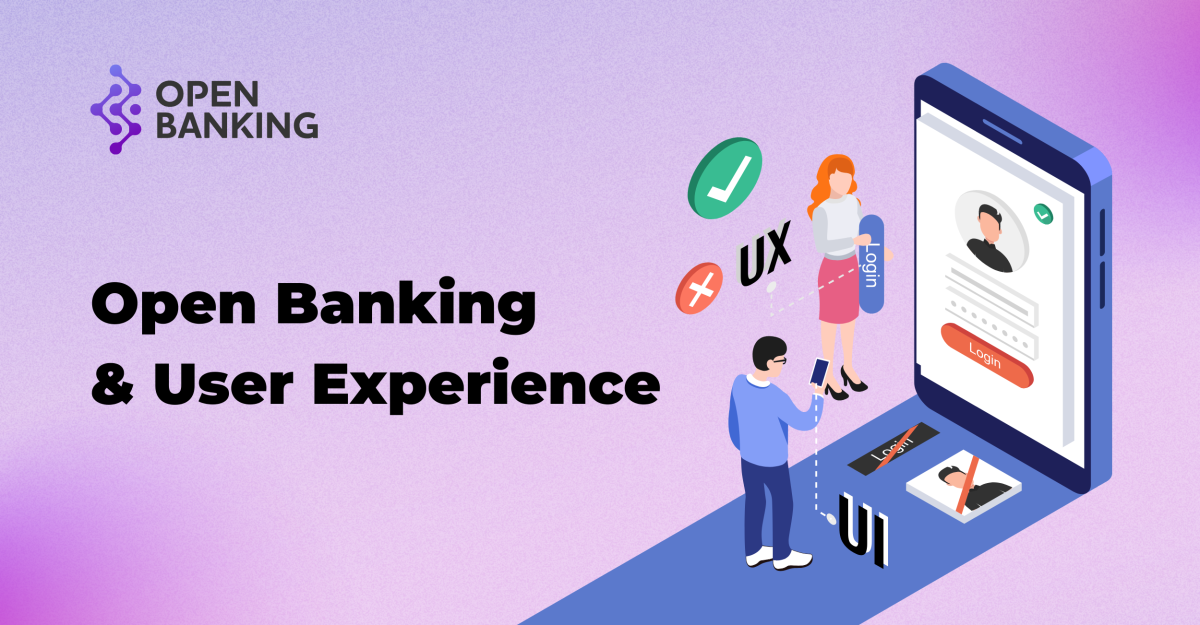
Have you ever deleted an app because it was too difficult to use? According to one report, 90% of us have ditched apps that didn’t meet our expectations. From sign up to sign out, we expect them to be seamless. If they aren’t, we’ll complain to our friends about it. So, for service providers, this […]
Open Banking in India: How It’s Changing the Way We Bank
Evolving customer expectations and behaviour, regulatory frameworks, and emerging technologies are driving financial institutions to create and innovate solutions and services to meet and define the new normal. Open banking is a new paradigm in financial services that is revolutionizing the way we bank. It allows third-party providers (TPPs) to access consumer financial data from […]
Open banking data: what is it and what is it good for?
Open banking is an initiative that allows consumers to securely share their financial data with third-party organisations, such as financial technology (fintech) companies and other financial institutions. This data-sharing allows organisations to offer consumers a broader range of financial services, such as personal finance management tools and tailored lending options. Open banking involves customers authorising […]
How Europe’s push for Open Banking is forcing banking apps to improve their UX
How you see and interact with your online bank accounts is about to change. That’s because Europe is forcing change into the financial market. Digital transformation is a thing this decade. “Digital disruption,” startups who want to be “the Uber of X” in their industry, and going “mobile first” are not new trends. But the […]
GCC Welcomes ‘New’ Age Neo Banking
With the world constantly evolving, there is a need for constant evolution in our general ecosystem as well. Digital Age isn’t a thing of today! It isn’t something that happened at a button click. Our evolution from doing everything manually to automating basic things has taken its due course of time. On the same lines […]
Why digital and open banking are important to the future
Curt Queyrouze, Bank President of TAB Bank joined Nicea on Good things Utah today to discuss the importance of digital and mobile capabilities and help viewers to understand Open Banking. Curt tells us that to improve our digital and mobile capabilities, they have invested millions into their digital and online bank offerings to bring unmatched […]
From open banking to open finance to open data
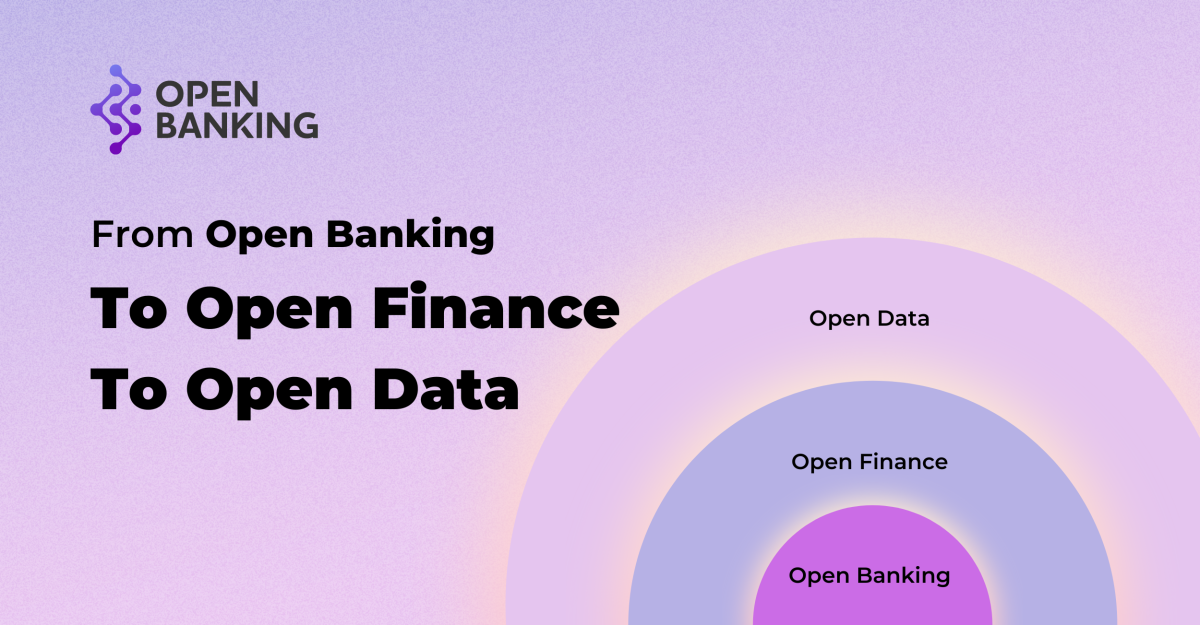
With open banking well underway and having an enormous impact on the financial sector, it’s time we turn the page to the next chapter of open innovation: open finance and open data. Open banking really came about by accident. While it mattered greatly that fintechs were breaking into retail payments, a regulatory intervention mattered more. […]